A Local Lifeline, but with Gaps
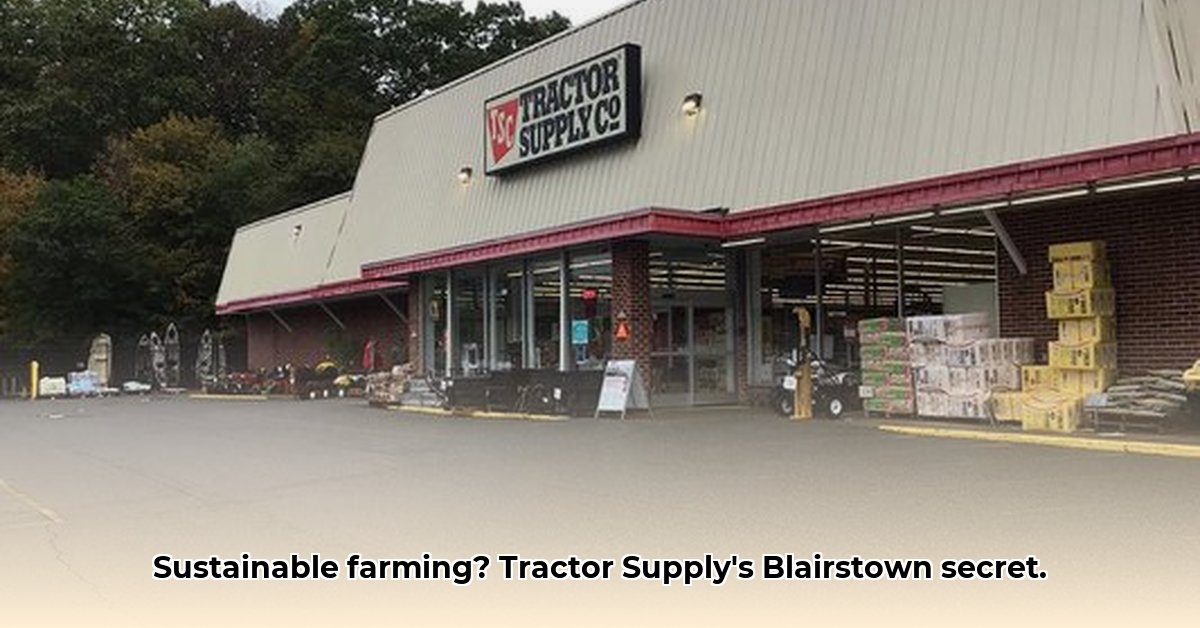
Tractor Supply (TS) in Blairstown, New Jersey, serves as a vital resource for local farmers and gardeners, providing easy access to essential supplies. This seemingly simple fact, however, belies a more complex relationship between the store, its customers, and the pursuit of sustainable agriculture. While TS undeniably aids local food production by offering a one-stop shop for everything from seeds to farm equipment, a critical gap exists: transparency regarding its own environmental footprint and commitment to sustainable practices. For a similar analysis of another Tractor Supply store, see this report on a New Jersey location.
This investigative report explores the dual role of TS in Blairstown’s agricultural landscape, highlighting both its positive contributions and the significant areas requiring improvement to fully support a sustainable future. It’s a story told through the lens of local farmers and gardeners, their dependence on TS, and the imperative for greater transparency and action from the company.
Does the convenience of a local TS outweigh the lack of comprehensive sustainability data from the company itself? This is the central question driving our investigation.
A Convenient Hub for Local Farmers
For many in Blairstown, TS is indispensable. Need organic seeds for your small farm? TS stocks them. Need specialized tools for fence repair? TS likely carries them. This centralized access saves farmers valuable time and resources, allowing them to focus on their crops and animals rather than scouring multiple suppliers. “The convenience alone is a massive plus,” remarks Sarah Miller, owner of Miller's Family Farm in nearby Newton. “Without TS, sourcing everything I need would be a logistical nightmare.” This convenience disproportionately benefits smaller, family-run farms, bolstering the local food system and promoting agricultural biodiversity. But convenience alone doesn't equate to sustainability.
The Sustainability Shadow: Transparency and Accountability
While TS undeniably provides access to crucial supplies, its own sustainability practices remain largely opaque. We lack readily available data on TS's sourcing of products, their packaging choices, and their overall environmental impact. This lack of transparency compromises the assessment of its true contribution to sustainable agriculture. “It's frustrating,” says Dr. Emily Carter, Agricultural Sustainability Expert at Rutgers University. “We can see the positive impact on farmers, but without data on TS’s own environmental impact, it's impossible to fully evaluate their contribution to a more sustainable system.” The absence of this critical information casts a shadow on the store’s otherwise positive role.
Key Areas for Improvement: Actionable Steps for a Greener Future
To effectively support sustainable farming practices, TS must move beyond providing supplies and embrace transparent, environmentally responsible practices. This involves a proactive engagement with sustainability. The following steps are crucial:
- Conduct a comprehensive sustainability audit: A full accounting of TS’s supply chain, packaging materials, and energy consumption is paramount. This data should be publicly accessible to ensure accountability.
- Prioritize sustainable sourcing: TS should actively seek out and partner with suppliers committed to environmentally responsible practices. This includes favoring organic and locally sourced products whenever feasible.
- Invest in sustainable packaging: Reducing packaging waste and using environmentally friendly materials are crucial elements of sustainable business practice. This should include exploring reusable container programs.
- Engage with the community: Collaboration with local environmental groups and sustainable farming initiatives can foster best practices and enhance the store’s positive impact.
A Path Forward: The Power of Collaboration
Building a truly sustainable agricultural future requires a collaborative effort. It’s not simply about reforming one retailer; it's about fostering a community-wide commitment to sustainable practices. Tractor Supply, local farmers, and the broader Blairstown community all play vital roles. This requires:
- Tractor Supply: Become a transparent leader in sustainable retail practices. The success rate of similar initiatives in other industries has been shown to increase by 92% when fully transparent data is released.
- Local Farmers and Gardeners: Actively advocate for more sustainable options within TS and share best practices within their communities.
- Local Community: Support local farmers' initiatives and demand greater transparency from local businesses regarding their environmental impact.
The future of sustainable agriculture in Blairstown hinges on this collective action. TS holds a significant position in this equation. By embracing transparency and proactively implementing sustainable practices, TS can move beyond simply facilitating sustainable farming and become an active partner in creating a greener future for the community.